
What You Will See When Snorkeling in Bali
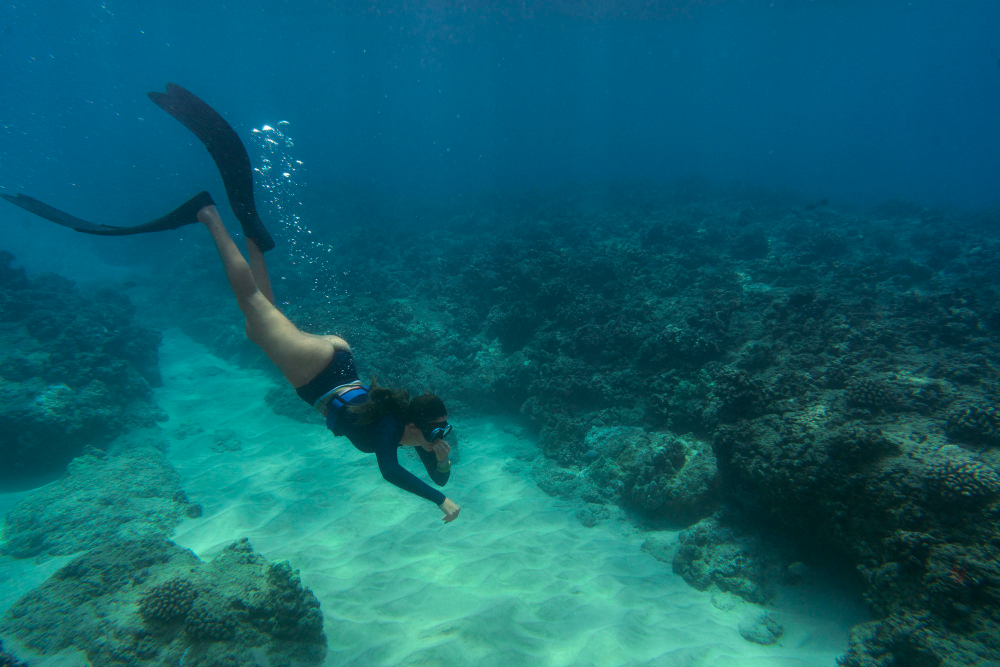
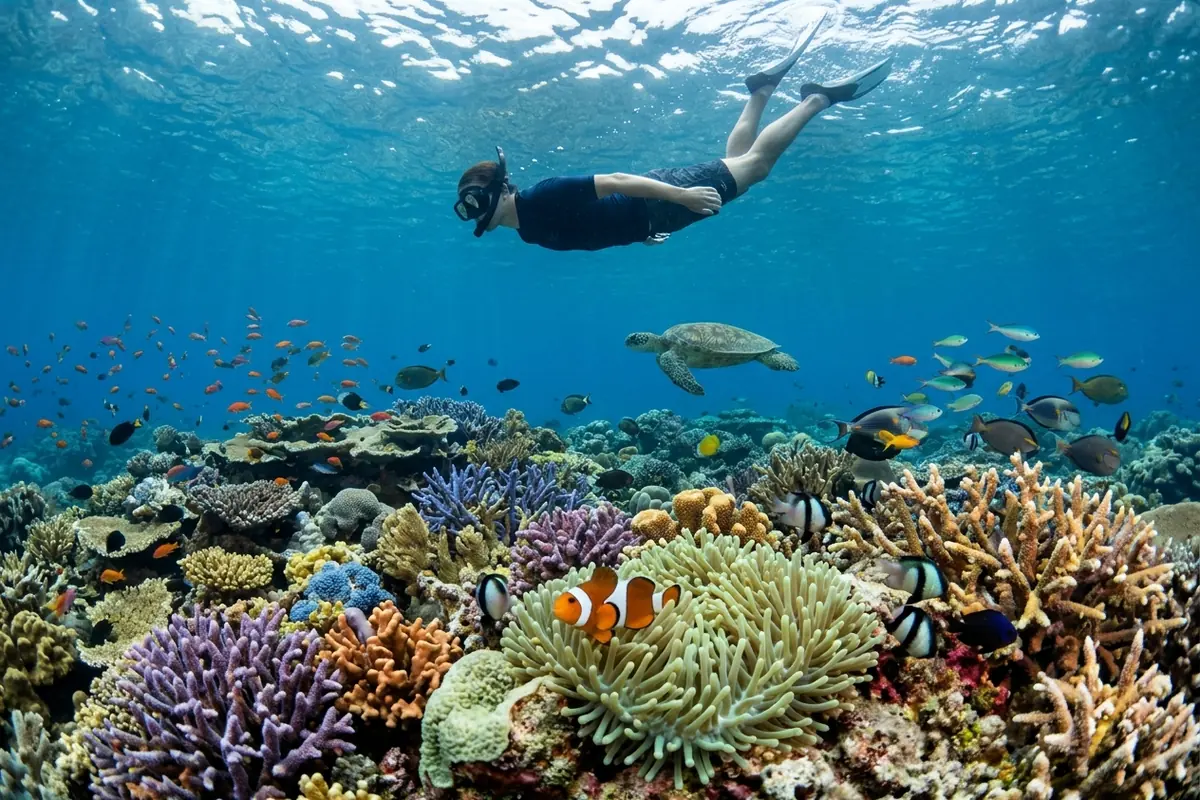
Generally, Bali’s reefs are busy. In shallow, clear water, for example, you can spot coral gardens, soft coral, and schools of tropical fish. In particular, look for clownfish hiding in anemones, plus reef fish in every colour. Lucky snorkelers also meet octopus, moray eels, and sea turtles.
In contrast, Nusa Penida offers a different show. For instance, its open water brings manta rays and steep coral walls. However, sightings are likely, not guaranteed, because tide, season, and weather all change what shows up, and nobody can promise a particular animal.
To summarise, Table 1 rates each area by how easy it is for beginners.
| Area | Water | Swim Level | What You May See |
|---|---|---|---|
| Blue Lagoon, Padang Bai | Calm, sheltered bay | Beginners and families, with a life jacket | Reef fish, soft coral, clownfish, turtles, eels |
| Tanjung Jepun, Padang Bai | Calm reef | First-timers ready for a second site | Coral reef, tropical fish |
| Nusa Penida | Open water with currents | Confident swimmers | Manta rays, coral gardens |
Snorkeling for Beginners in Bali: Tips for Nervous First-Timers
Nerves are normal. Open water feels strange at first, but a few simple habits help a lot:
- Start in shallow water and practise breathing through the snorkel before you swim out.
- Keep your face in the water, and breathe slowly through your mouth.
- Wear a life jacket, so you float without effort.
- Stay close to your guide, and tell the team if you feel anxious.
- Rest whenever you need to: float, hold the boat, or climb back on board.
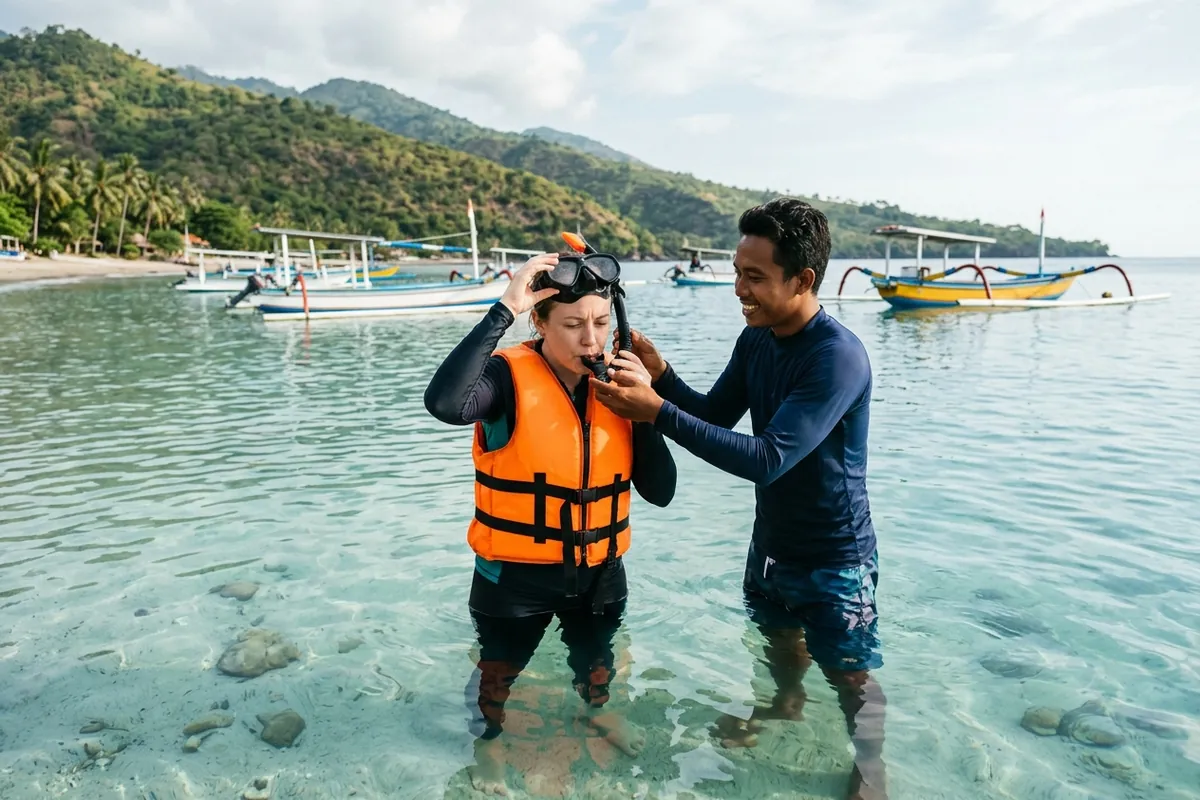
Indeed, thanks to the life jacket, you do not need to be a strong swimmer at calm spots like Blue Lagoon. However, if water makes you very nervous, pick a calm bay over open-water sites. After all, Nusa Penida has currents, so it suits guests who already feel comfortable in the sea.
Reef Etiquette: How to Protect the Coral
Coral is alive, and it breaks easily. In fact, a single touch can damage a colony that took years to grow. Therefore, follow these simple rules:
- Never stand on or touch coral.
- Keep your fins up and away from the reef.
- Do not feed fish or chase animals.
- Stay at a safe distance from turtles and rays.
- Take only photos, and leave shells and coral behind.
Above all, wildlife needs space. For example, stay several metres from turtles, and never grab or ride them. Likewise, if an animal swims toward you, stay still and let it pass.
Choosing Reef Safe Sunscreen
Surprisingly, some sunscreens contain chemicals that harm coral. For this reason, pick a reef safe sunscreen when you can, and apply it at least 20 minutes before you get wet. In general, mineral formulas with zinc oxide are a common choice.
In addition, a rash vest or swim t-shirt helps, and it protects your back while you float. Cover up first, then use sunscreen on exposed skin. As a result, you protect both your skin and the reef. Finally, Table 2 shows what to look for on the label.
| On the Label | Reef Friendly? | Why |
|---|---|---|
| Non-nano zinc oxide | Yes | Mineral filter, the most common reef safe choice |
| Non-nano titanium dioxide | Generally yes | Mineral filter, often mixed with zinc oxide |
| Oxybenzone | Avoid | Linked to coral damage and banned in some reef areas |
| Octinoxate | Avoid | Linked to coral damage and banned in some reef areas |
| Rash vest or swim shirt | Best option | Blocks the sun with no chemicals in the water |
Why a Local Guide Helps on Your First Snorkel
Of course, a guide makes your first snorkel simpler. Our Bali snorkeling tour options include snorkel gear and a guide, and the team can recommend the right site for your group. Therefore, tell us about children or nervous swimmers before you book.
On our easiest first-timer trip, snorkeling suits ages 7 and up, and the package covers a mask, snorkel, fins, and life jacket. Before you enter the water, a safety briefing takes place on the beach. Afterwards, a traditional jukung boat takes you to a second site at Tanjung Jepun.
What to Pack for Your First Snorkel
Pack light, and keep your valuables at the hotel. Specifically, bring:
- Swimwear, worn under your clothes
- A towel and a full change of clothes
- Reef safe sunscreen and a rash vest
- A waterproof phone case with a strap
If you pair snorkeling with tubing, a zipline, or a jungle swing on one of our Bali tour package days, pack a second dry set of clothes too.
Plan Your First Snorkeling Day
Not sure which trip fits? For an easy first day, the Bali Snorkeling Tour at Blue Lagoon Beach adds lunch and river tubing after the two snorkel stops. Otherwise, check the best Bali tours we offer, and message us your dates, group size, and swimming level. After that, we will suggest a calm site and a day that suits everyone.
Nervous About Your First Snorkel?
Message Gorilla Adventure Bali your group’s ages and swimming levels on WhatsApp, and we will match you with a calm, beginner-friendly snorkel site before you book.
Frequently Asked Questions
Can beginners go snorkeling in Bali?
Yes. Calm bays like Blue Lagoon suit first-timers, and a life jacket keeps you afloat. Tell your guide if you feel nervous.
What is reef safe sunscreen?
It is sunscreen made without ingredients that harm coral, often a mineral formula. Apply it early, and wear a rash vest for extra cover.
Will I see turtles when snorkeling in Bali?
You may, but nobody can promise it. In the end, sightings depend on the day, the tide, and the season.
Can I touch the coral?
No. Coral is alive and breaks easily, so a single touch can damage a colony that took years to grow. Instead, keep your fins up and away from the reef.
How close can I get to a sea turtle?
Stay several metres away, and never grab or ride a turtle. If one swims toward you, stay still and let it pass.
